Latest Posts

Monday, 23 July 2012

Wage war against bugs on your Roses, Citrus and Fruit trees and Some favourites to plant for winter colour

Keep any gardening questions coming to their Facebook page called Palmers or their web site www.palmers.co.nz and I will answer in detail all of your queries.  Eden Living is still running in full swing as I work alongside NZ's largest garden retailer.
Wherever you are in the country you have a Palmers near by and everything I talk about here is available at a store near you. 


Sometimes you just have to take control!  Beautiful fruit trees in my garden are going to need some TLC and it is a good time to check out your own.  I had a friend call over and prep for pruning my out of reach and badly shaped peaches, nectarines and pear tree while I made dinner and planned the attack against the hedges with the trimmer to give more air flow and sun back into my neglected yard.  Being a recent resident here I am loving to see the quick transformation and wish I had taken before pictures!    Air flow is so important to keep down fungal infection and my poor orange tree has black soot all over it so the work we achieved over the weekend with the botanical hair cuts will make a big difference before I attempt to fight the scale on the trees.  Making a choice about synthetic or organic solution is a personal thing and is a valuable question to ask your retailer what is best for you.
  
Need help for your Citrus?  This week I have some solutions to common troubles with your citrus trees.

Yellow and pale leaves on Citrus - Apply blood and bone and a good wad of seaweed at the drip line as mulch.  Your citrus is lacking in nutrients and most likely Nitrogen

Leaves yellow from edges but green at the base - Low magnesium, give Epsom salts

Leaves are pale yellow and speckled with tiny red mites - Citrus red mite, provide adequate water and blast leaves with strong blast of water from the hose to knock them off.  Natural control - try a garlic spray of 3 x garlic cloves crushed and stirred into 2 cups of water with 2 tsp tsp of oil to adhere spray to leaves.  Stir in 3 T liquid eco soap leave for 48hrs then strain through cheese cloth and decant into spray bottle.  This is a useful mix as a fungicide and insecticide.  Chemical control - try Mavrik or Guardall.

Black soot on leaves - Sooty mould, Natural control - treat tree with garlic spray above to kill the scale.  Plant onions underneath and yarrow to bring in ladybirds, alyssum, coriander and cosmos all to attract the good guys in.  Chemical control - Confidor

Next week I will cover treatment for Peaches, Nectarine, Apple, Plum.

In my vege garden I have been enjoying packing in lots of edibles into my raised gardens.  The weekend was fun planting out my new 800 x 1800mm raised garden.  I was inspired by a great photo I saw with beans growing up an old ladder nestled in a vege bed, check out palmers facebook page to see a great pick of mosaic block gardens and the ingenious ladder bean frame.  My son and I took it a step further with setting up a similar stage with an old wooden ladder but also grabbed some potted colour and filled planters with them then settled the pots on the steps of the ladder while we wait until spring to plant cucumber, climbing beans and peas.  The garden space below is now chocker with lettuce, broad beans and perpetual spinach.  What a great way to fill a small space.

When the winter weather bring in the winter flu bugs these are some of the plants I love to clap eyes on

Vireya Rhododendron
My Vireya Rhodoendron.  Positioned in a lovely sunny spot, the colourful salmon flowers nod their head at the winter wet and have given a pretty outlook in my garden.  I have a client who has one that would be at least 10ft tall and bloomed a spectacular blast of rich yellow and orange right before her first born arrived just weeks ago.  What a welcome to motherhood! 

 Hardenbergia Violacea is a punch of purple in late winter.  This climber is smothered in rich purple blue pea shaped flowers and is a welcome sight that spring is not far away!

Flame Vine (Pyrostegia venusta) puts on a fiery show through the coldest months.  Prolific in flower upon an evergreen carpet of glossy green leaves is a hot tropic look to wake you up in winter!

Melia in winter in full 'bead'
Melia Tree.  This feature tree is my favourite.  Summer is full of leaf and delicately scented small white flowers with purple margins and in winter when the branches are bare the tree is covered in small marble sized round golden/yellow 'beads'. 

Flame Vine (Pyrostegia venusta)


Hardenbergia Violacea
What are your favourite winter shrubs, climbers and trees?  Let me know what you love to see.

Happy gardening everyone!

Maria Quayle-Guppy


Monday, 16 July 2012

Growing something different and beautiful plants to jazz up your garden!

I'm really excited to be taking on the role of Palmers ask our expert.  Keep any gardening questions coming to their Facebook page called Palmers or their web site www.palmers.co.nz and I will answer in detail all of your queries.  Eden Living is still running in full swing as I work alongside NZ's largest garden retailer.

Wherever you are in the country you have a Palmers near by and everything I talk about here is available at a store near you. 

This week in my garden I was soooo glad to see the rain!   I popped in some Kohlrabi and Turnips before the deluge and I'm sure today they look bigger already.  You may be asking "what do you do with them and what do they taste like?"  With the resurgence of growing food it is fun to pop in the garden some things that you have never heard of to try something a little different.

Kohlrabi is an interesting vegetable that looks like something from outer-space and gives your edible garden a bit of wowness.  For a while before I grew it, I thought I was looking at the root of the plant in pictures, however the part you use is a swollen part of the stem.  This yummy vege tastes like a cross between a radish and broccoli and is best grown with your other brassicas like broccoli, cabbage, brussel sprouts and kale. When you are planting any vege - just plant a few each week so that they are not all ready at the same time!  Palmers have a great range of their own quality compost and blood and bone to add to your prepared ground along with some dolomite to sweeten the soil.  I always grow a carpet of Nasturtium  (a hardy annual that is a great companion plant in your edible garden and the flowers you can use in salads too) under my current patch of this food group which acts as a deterrent to the white cabbage butterfly and aphids.  A Nasturtium carpet is one of my secrets to growing brassicas in summer when the pesky green worms and bugs can make such a mess of your garden that it is hard not to serve up their deposits or themselves in dinner which sadly puts lots of people off growing these in the warmer months.  The colour of the nasturtium flowers play a big part of what works with this companion plant.  It is a must to plant the orange flowering variety in your garden under brassicas and cucumber as this colour repels aphid, white butterfly and stink bug and plant yellow coloured ones away from your edible garden to attract the pest bugs so they are too busy to be bothering your edibles!   To take up some of the nitrogen from your soil when growing brassicas, pop in some french beans to grow between, this will encourage better growth of the florets and less of the leaves.

Harvesting and eating - Kohlrabi is best picked when between the size of a golf ball and tennis ball; it is not a produce that bigger is better as you will find that it will be quite tough and stringy.  I struggled with this first time as I am the queen of 'wow look how big this is' but sometimes a bit of humble pie is a better strategy and Kohlrabi is one for a touch of reserve on the size.   Once picked trim the leaves, these can be used as a leafy green.  Try sauteing in oil or butter with a few roughly chopped pistachios and a squeeze of lemon juice.  The bulbous funny tennis ball gone wrong part can be kept in the fridge for about a week if your not using it straight away.   For an addition to a yummy slaw peel the outer 'skin' until you have the tender inside then grate this globe, sprinkle with a tad of salt and let it 'sweat' for half an hour before squeezing the excess moisture and add to your salad.  If cooking your Kohlrabi, leave the outer tough skin and boil for 3 - 5 mins, drain water and peel off the skin jacket before serving hot with a bit of salt, lemon and splash of vinegar - yum!

Coming up at Eden Living, is a calendar of my new edible garden workshops on my events page.  Time and time again I get asked to teach and what better than in my home for you to see how my garden grows!  Visit my website to book yourself and friends onto an upcoming slot. First up on the 4th of August is all about composting, a chance to make some natural pest sprays and liquid foliar feed.  Make a huge difference to your garden by providing it with a variety of compost, your plants with grow bigger and better.  They say variety is the spice of life!  Spaces are limited at these affordable courses so please book early to avoid disappointment on www.edenliving.co.nz 

Not Just edibles in the garden!  I just love all garden plants and a variety of beautiful shrubs, annuals and perennials add accent and change in your garden.
Liriope muscari
Daphne rubra


Michelia figo flower
While visiting your in your local Palmers grab some Daphne to pop near your entrance to enjoy the rich scent and beautiful flowers on these cooler days. The intoxicating smell is lovely as you arrive home from work in the evening.  Planting that looks great with Daphne and gives a summer scent while your Daphne is dormant in flower is a Michelia figo, or port wine Magnolia.  The name says it all to describe the delicious scent and grows to 2m with pretty miniature deep pink and cream magnolia flowers. The glossy green leaves are a pretty backdrop when your Daphne is in full show.  To balance the base of the garden add some Day lilies for long flowering colour or Liriope muscari shown here look great as a skirt beneath. 

Until next time, 

Happy Gardening everyone

Maria Quayle-Guppy


Tuesday, 10 July 2012

Pizza herb boxes and Tea gardens

I was recently at a Mid Winter Christmas party and while sipping mulled wine the host and I shot outside with a torch to look at their garden.  This edible garden was a walk through stone paved patch with pockets of planting space that encouraged you to wander it's paths to be surprised at each turn.  I loved the concept and it blended so well in their urban yard.  I can't wait to see it in full swing in Summer. This gardener had also made a hub for summer with a pizza oven amongst the banana palms.  Either a DIY job like they did or a commercially purchased one from a company like Piazza Ovens www.pizzaovens.co.nz will see you set for summer entertaining at home.  I had to giggle when I saw this image of a New Zealander who has made his letterbox into a pizza oven! 

The best thing about a pizza party is most of your toppings and side salads can come straight from your garden.  All of this inspired me to at least begin with putting together some pizza herb gardens with my favourite 'supreme' flavours to punch up the flavour of my fare.  I quite like the look of using empty old wooden nail boxes as mini herb gardens or like here, if you have some fancy wine boxes around it is quite a classy spin to fill them with your edibles.  

 To make them last longer line with plastic and then add a layer of stones for drainage and fill with soil.  I like to use the new living earth Vege mix as it has Dolomite and sheep pellets already in it.  Another classic is always the half wine barrel and the hard wood here has a longer life span to fill without having to line first; whatever the vessel you use, to make it easy for the not so inclined to cook in your family to harvest the right ones under your instruction - group the herbs in relevant boxes to make sence of your garden, then if your like me (the one stuck in the kitchen with messy hands making) can carry on with the food prep.  In my new herb gardens planted on the deck for easy reach I have grouped what I call a 'pizza box' in one box that will sit in full sun - Oregano, Golden Oregano, Thyme, Marjoram.  My Christmas lunch barrel has Dill for the fish and Sage, parsley, Rosemary and Lovage for the red and white meats.  In a shady area there is Coriander that I have potted in bulk.  Keeping it growing in shade will prevent it from bolting and getting nothing other than flowers and seeds... however I do plant a certain amount each year in full sun so I can harvest seed for cooking and growing more plants from. Then there is the lemon balm box in the shade and the last two boxes will have one filled with Basil as we use so much of it and this year after inspiration from another friend I am planting a 'tea' garden for fresh herb teas - divine.  This will be a mix of chamomile, Valerian, lemon balm, peppermint and an old rose that has beautiful hips will be centre stage.  


I have been carting one from place to place for years, roses are so hardy they can take the lift and cart treatment.  Rugosa roses are my favourite and the only thing that fails me with this one is the name that is long gone.  Now is the time to plant your roses so visit your local garden centre for your favourite summer time blooms.

Happy Gardening and Happy School Holidays!

Gardening by the Moon this week

July 9 - 14 Prune Roses
July 15      Spray for pests and diseases.  My Easy Edible Gardens CD has a collection of great home made sprays that you can put together now. Order from my website www.edenliving.co.nz

Monday, 2 July 2012

Time to think about baskets, compost prep and onions!

Now that we are over the 'half way point' of the year it excites me to daydream about Spring.  My overall favourite season I think - when I drift off in thoughts of intoxicating spring bulbs, fresh bright new foliage on hedges, I can not wait to see my fruit trees burst in flower - it really will be a sight!  Knowing that Spring is not too far away now and already I've been seeing some confused daffs popping up this brings to my attention that we really only have one more month to get fruit trees planted in your garden.  Nothing can to be sweeter than picking your own fresh fruit from home so visit your local garden centre for the right trees for your location and get them in the ground!

These school holidays we are having fun already, planning the hanging baskets that we will plant.  I want lots of herbs close to my kitchen for adding to salads, pizzas and dressings so I have set a competition amongst the kids for the most thoughtful hanging basket conglomeration of herbs.  So far we have old colander stacks, cane baskets that are literally hanging and the traditional brush-stick that are great for slitting holes in the sides and having seedlings grow from all sides and underneath.  First tip for you is to retain water so make sure you mix some water retentive crystals available from all garden centres into your soil.  Follow the preparation instructions but essentially add them to the soil as a wet jelly.  These moisture gems will make or break your final result as mid summer they can quickly dry up and collapse under the intense heat.  Hanging baskets are particularly ideal so that you save using up too much 'walk' space on your outdoor deck or patio with lots of random post as with elevated gardening you lift your gardens above head height out of the way.  To rev things up a bit make some of the baskets a mix of bright coloured annuals for interest.  Lobelia, petunia and primula have such a long flower season and the combination of flower shape and contrast in foliage look great together.   Visit my pinterest page on http://www.facebook.com/pages/Eden-Living-Garden/169973749722833?sk=app_305927716147259 for some pins I have found with the kids that pull together great inspiration of hanging and leaning garden baskets and beds. 

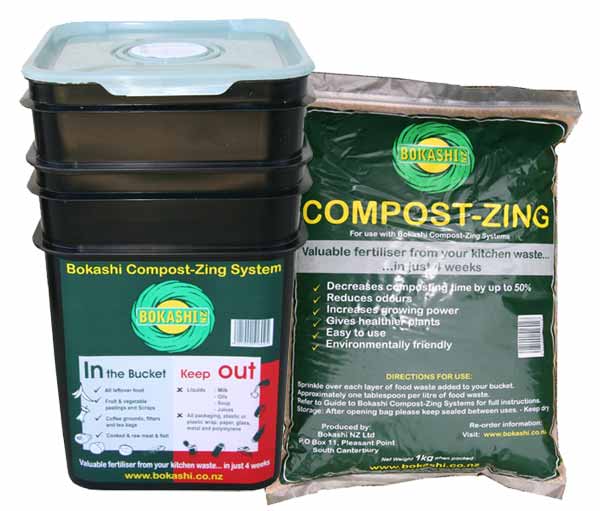
In your edible garden from today until the 6th find some time to douse your plants with liquid feed - I have lots of great recipes and my favourite is on my Easy Edible Gardens CD available on the web site www.edenliving.co.nz.  While you're there check out the latest video on composting and learn a bit more about the practical and simple method of Bokashi composting - a non smell solution to dispose of everything from raw meat and fish to all other food scraps. Book now for my upcoming workshop on the 4th August and tell your other interested green (or blue) fingered friends.  All my courses flow on well from each other so the composting and liquid feed workshop is a great place to start.


Coming up in your garden

July 1 - 6 Feed your plants with liquid food.  Easy to make yourself and gives a boost to your edibles
July 3 - 6 Till only again (don't worry soon you'll be wishing you could till only as in no time you'll have extended plant and sow only on the way!)
July 7 and 8 Pop in some more Garlic and get Onion seedling planting - time consuming as it is plant out the grass-like seedlings 6cm apart in anticipation of big bulbs.  Another trick an old timer gardener taught me was to plant them on their sides for a better take


Happy Gardening everyone xx

Tuesday, 19 June 2012

Harvesting fruit is so much fun

How rewarding it is to pick bright fruits from the garden to supplement the shopping.  This week I have been harvesting Guava and Bananas and when the rain clears I'm popping down the road to a neighbours late ripening Mandarin tree.  The fruit may be a bit tart but that is a nice change too.  They will be perfect for juicing or freezing to make a yummy sorbet as a refreshing treat on hot summer days to come.  Peel them first before freezing or you will have a mission trying to get the skins off later!  It is important to pick fruit that you intend to keep fresh for eating when it is not wet or it will rot, save the harvesting for a fresh fine day where possible.  If you see a tree laden with fruit don't be afraid to ask the owners if they are happy for you to harvest.  I often find people not using the fruit for themselves are more than happy to let you pick it in exchange for something you have turned it into - a jar of jam or the like.  Picking the fruit is often more of a help than it falling and making a mess for them to clean up or worse, attract vermin.


After the school pick up today a shot down to the beach to collect some seaweed and was rapt to find sea grass mixed in.  This fine green 10cm long grass like seaweed is great for mulch on the garden and I have not seen it since living near the inlet in Wellington.  

Get yourself ready to plant citrus, plum, apple, pears, apricots and quince in July and August.  You will be able to buy them bare root which is the best way to get them.  They will be packed with a little bit of sawdust around the root system.  Organise yourself a consultation to determine the best varieties for your site and order them now before your supplier runs out.


In the Garden 

June 17 - 22 This week in the garden with a new moon it is best to stick to digging and tilling the soil, don't be tempted to sow or plant anything.  When I feel tempted to plant in these quieter times I fill my time with freezing, fruit picking and pickling!  

Come June 23rd is the best time for sowing seeds for this month so get cracking and sow broad beans, lettuce, garlic, onions, peas, shallots, silverbeet and spinach where there are frost free areas.  In cold inland areas or the south sow lettuce, garlic, onions, peas, shallots, silverbeet and spinach.  I love to use my pouch potter to make small paper pouches that I can sow just the right quantity of seeds and then plant out each pouch straight into the garden once germinated.  Visit www.edenliving.co.nz to see and order your pouch potter; the pouch potter is a great gift too.

June 24 - 30 is still seed sowing time.  Restrain from sowing root crops but get everything else in like rocket - rocket pesto yum! Spinach, broad beans, bok choy will all do really well.

During this seed sowing time you can also plant out seedlings of broccoli, cabbage, cauliflower, lettuce, spinach, silverbeet, strawberries, shallots 

Monday, 11 June 2012

Ohhh it's quiet on the planting front but LOTS to do


This is the time of month for cleaning up, clearing up, setting up and tarting up your grounds all in the name of not just looking good but getting the most into and out of your vegetable garden.  

In regard to Moon Gardening - there is not much happening at the moment in the planting department and it is far better to wait and get busy doing something else than force planting that will result in low show later. 

I love these mild winter days, they ease me into the reality that yes summer and autumn are over and are a nice reminder as the days tick by that spring is really not that far away.  Taking the time to set up new garden beds now, trim hedges and prepare multiple composting methods are so important so come September as the barometer rises you are not trying to cram too much into your already busy week and missing out on being ready for the greatest growing seasons ahead.  I prepare for this by composting and mulching now as much as possible.  The break down of your Compost slows down in winter but it doesn't stop; so with plenty of leaf litter, overgrown shrubs and hedges from a wet summer and now the odd raging storm throwing up sea weed, it is a great time to keep on top of stock piling all of this matter for use on your compost heap and as mulches around your plants in the vegetable garden.  

Many people ask me what the big deal is about mulch.  Mulch will keep your garden warm in winter and protect from drying out in spring and summer.  This action of drenching rain and then scorching days on an unmulched garden bed are what help ruin your crop and create frustration in the fight against disesase, insect invasion and weeds.  The most important thing when applying mulch to your garden is to ensure that you sprinkle a handful per square meter of blood and bone on top of your soil first before laying your mulch.   The blood and bone will activate a break down process for the garden soil to use the mulch as food for your plants and will also prevent the mulch from drawing nutrients out of the bare earth it is bedding upon.  It is important to lay the right amount of mulch so it can do its job.  If you have a nice deep mulch it not only will keep the temperature stable your garden will keep your garden pretty much weed free, yay!  I spread my mulch to a depth of 75mm (keeping a clear 10cm ring around each plant so as not to suffocate and cause rot).  I recommend following a model of varying the mulch you lay so as to build up the soil structure in your garden as it breaks down.  Add new mulch layers every 3 months to keep this process rolling along.  Try laying, Lucerne Hay month one, un-rinsed seaweed collected from the latest incoming tide month 3, dampened down Autumn leaves month 6, washed up fine sticks and small leaves from the high tide mark at the beach or river month 9, and so on – you can try this in any order that suits your foraging at the time you start.  

I make it a habit to stroll along the beach before walking home and collect the freshest of sea weed from the latest incoming tide.  This fresh juicy seaweed is the best to take as being lush will break down faster and is easier to chop up to use as mulch or in your compost.  It is important to chop up the seaweed finely.  If the thought of RSI is creeping in right now - rev up your lawn mower; dump the sea weed on your recently mowed lawn and brummm over it for the perfect chopped blend to toss into your compost heap or lay as above as mulch on your garden!  The one thing to add here is to cut the lawn first so as not to add too much fresh green lawn clippings into your seaweed blend.  I had the pleasure of advising a lovely couple last weekend at their Stillwater lifestyle property and I explained the idea of giving your garden a variety of mulch regularly is to provide ‘food’ for the food you are growing – this will result in a more disease resistant garden.  Your plants, like us function better when fed a varied and nutritious diet. 

My big boys have just started their first junk mail paper run to mark the move into suburbia and the desire to earn more pocket money after them achieving a decent profit on selling fire wood just prior to departing the paddocks.  I have been so excited as I walk the streets with them in the early evening; there are so many properties that are boasting vegetable gardens bursting with food and these are just the homes with them on the front lawn.  Another garden that bought a smile to my face was last Saturday at my eldest son’s rugby game in Glenfield.  This property backed on the Rugby grounds car park and it sported a huge vegetable garden complete with worm farms and compost heap.  The thing that struck me the most was the edging of the gardens that were created entirely from inverted empty beer bottles neatly arranged like soldiers retaining the soil to a perfect 15cm height! I thought that was one for the books of kiwi ingenuity!  It is so great to see so many edible gardens in our communities.  If you have a special garden set up please send photos to me through my web site at www.edenliving.co.nz that I can share with our readers and keep us all inspired to keep growing.

Activity dates coming up for Moon Gardening

June 10 – 14 Forget about planting and get busy cleaning, tidying and mulch, mulch, mulch, compost, compost, compost!
June 15 and June 16 are another two days great timing for planting root crops.

Saturday, 2 June 2012

Give your crops a drink, weed, sow root crops and Garlic


We are excited to announce that last week we moved to the beautiful suburb of Manly on the Whangaparaoa Peninsula, Auckland.  We thoroughly enjoyed our rural retreat but are very happy to be back by the sea and urban gardening.  Our home is perfect for teaching which has opened my doors to run workshops from our place.  With plenty of parking across the road I welcome you to come along and see my urban space develop amongst the mature Peach, Nectarine, Pear, Orange, Lemon, Mandarin and Nectarine trees. I see visions for Summer of my vege beds amongst the trees and me lying in a hammock picking peaches, yummy!! It’s a Mediterranean treat for us to have stumbled upon. I knew the right house would be waiting for me to share my passion with you while Simon takes the kids out for the afternoon!  Visit my events page for dates and workshop subjects beginning in July.  For now though I am welcoming you to Winter! 

There are so many things happening in the garden throughout the colder months; preparing ground for Spring, making liquid manure tea and compost are at the top of my list.  Your garden ‘eat’s 75% of nutrients in one growing year so if you don’t feed your garden and give varied compost it will affect your yield.  Green manure crops are another great soil boosting thing to do; at this time of year I sow seeds of mustard and lupin direct into weeded ground in some of my beds.  These green manure crops are later cut down and dug into the soil for a Nitrogen boost; I like to put some of my plots to ‘bed’ soon with this traditional technique.  The best thing is that these ‘bed’ crops will grow in low light conditions, which is an advantage for gardens that don’t get full sun through the colder months.  For the complete workshop on how to grow a green manure crop purchase the Easy Edible Gardens CD, it’s all in there step by step.  In areas of garden that still have 6 hours of sun each day, keep planting your Winter veges but be sure to plant as per my moon garden dates to grow strong and vigorous yields.   

I love home grown garlic and to get a good start pop it in next week, you don’t have to wait until the shortest day.  Don’t plant Garlic cloves where you have strawberries as neither will grow well.  Garlic loves to grow with Beetroot and Lettuce and they can go in the garden next week as well.  Garlic is grown by length of time in the garden so being a few weeks early you will have it plump and ready for lifting just before going away for Christmas or use it for the Christmas Chook stuffing or a tasty roast garlic dressing… But for now it’s a little early to be thinking about Santa!  Prepare the ground with a handful of sheep pellets every 40cm2 and a good handful of blood and bone mixed into the top 10cm of soil.  Garlic loves a good feed so preparing the ground is important.  Always use either Garlic from ‘seed’ purchase at your garden centre or use garlic grown organically from a farmers market.  Break off the cloves (but do not peel them) and plant them 5cm deep and 15cm apart.  Mulch over the top with Lucerne Hay or Autumn leaves that have been dampened down so your bed keeps weed free. 

While setting out my new garden beds I have been preparing to relocate some of my shrubs.  Not all things take kindly to moving so be sure to check first.  I have been out on snail check too as I have seen a few slugs about and some snails leaving their silvery trails.  I’ll never forget the evening last year when one of our sons found 201 snails in one night.  Since then we interrupted the breeding cycle enough to not have any snail invasion for the rest of the season which saved many seedlings from their greedy mouths.  Pop on a head lamp and go armed with a bucket holding a few tablespoons of salt and as you find them drop them into the bucket.  It sounds awful but it is a quick end I promise!

Dates to Garden By
1 – 2 June give your crops a drink of liquid Manure.  I have a great recipe on my Easy Edible Gardens CD.  Liquid manure is such a great way to give your plants a boost and revive the soil with more food for your plants.
3 – 7 June Weed only.  As much as you may wish to plant over Queens Birthday weekend, it will only result in poor spindly growth.  Prepare your ground with weeding and tilling the soil.  I love this look – it’s like a dusted and vacuumed house – so fresh and tidy looking.
8 – 9 June sow root crops and your Garlic can go in now too.

Happy gardening and Happy Queens Birthday Weekend!
Hope to see you at my workshops soon.  Booking essential as spaces limited, address supplied at time of booking.